Here's a take that coffee professionals agree on but most home brewers ignore: a $200 grinder with a $15 pour over dripper will make better coffee than a $15 grinder with a $200 brewer. Every time.
The reason is simple. Grind consistency determines extraction. If your grounds are a mix of powder and chunks, the small pieces over-extract (bitter) while the big pieces under-extract (sour). You end up with a muddled cup that's simultaneously harsh and weak. No brewing method can fix inconsistent grinds.
Blade Grinders: Just Don't
I'm not going to sugarcoat this. Blade grinders are garbage for coffee. They work like a blender - spinning blades chop beans into random-sized pieces. You get dust, boulders, and everything in between. The only advantage is price ($15-20), but they're not saving you money if your coffee tastes bad.
If you have a blade grinder, it works fine for spices. Keep it for that. Buy a burr grinder for coffee.
Burr Grinders: The Only Real Option
Burr grinders crush beans between two abrasive surfaces (burrs) at a set distance, producing consistent particle sizes. There are two types:
Conical burrs use a cone-shaped inner burr inside a ring-shaped outer burr. They run cooler, generate less noise, and are more forgiving with different grind sizes. Most home grinders use conical burrs.
Flat burrs use two parallel rings. They produce marginally more uniform grinds, which matters for espresso. They're louder and more expensive. Unless you're pulling espresso shots, conical burrs are all you need.
Hand Grinder vs Electric
Hand grinders cost less and produce excellent results. The 1Zpresso JX ($70-80) rivals electric grinders costing twice as much. The catch: you're grinding by hand for 30-60 seconds per cup. Some people enjoy the ritual. Others find it annoying before their first cup of caffeine.
Electric grinders are faster and more convenient. You push a button and walk away. The premium is worth it if you make coffee daily and value your morning time.
Budget Recommendations
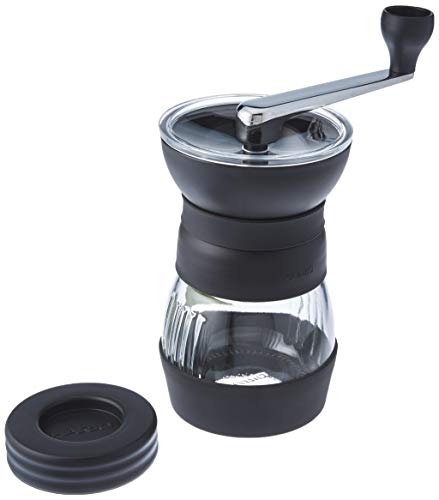
At $50: The JavaPresse Manual Grinder (https://slickhotdeals.com/go/B013R3Q7B2?ref=brewgearguide) is a solid entry point. Conical ceramic burrs, portable, surprisingly consistent for the price. It's not fast, but it works.
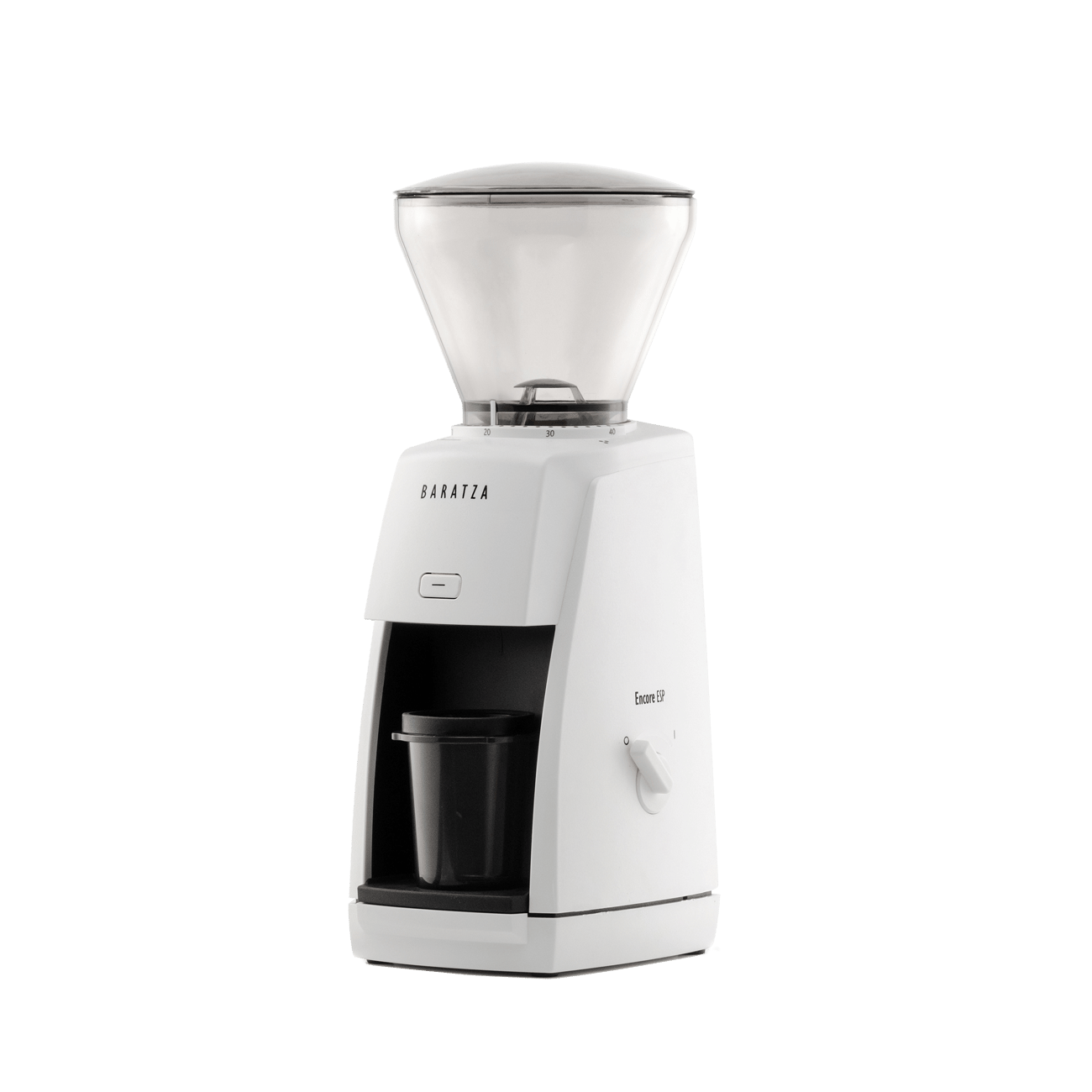
At $100: The Baratza Encore (https://slickhotdeals.com/go/B007F183LK?ref=brewgearguide) is the default recommendation for good reason. 40 grind settings, conical steel burrs, and Baratza's excellent customer support. This is the grinder that turns casual coffee drinkers into enthusiasts. It handles everything from French press to pour over with ease.
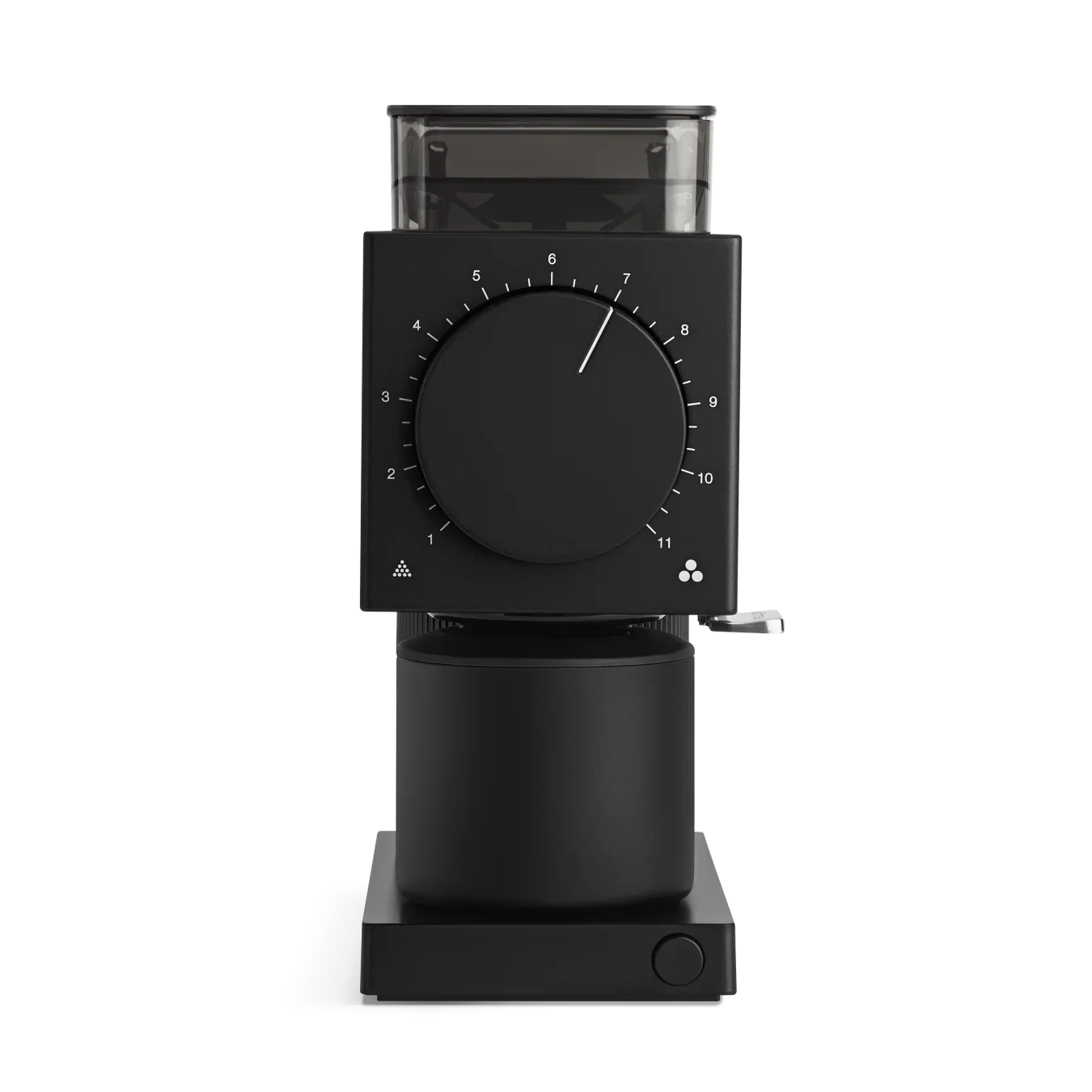
At $200: The Fellow Ode Gen 2 (https://slickhotdeals.com/go/B0BLRMCM9Y?ref=brewgearguide) is purpose-built for filter coffee. Flat burrs optimized for medium to coarse grinds. Beautiful design, low retention (meaning less stale coffee stuck in the burrs), and genuinely quiet operation. If you're serious about pour over or drip, this is the one.
What About Espresso?
Espresso grinders are a different category entirely. The precision required for espresso (adjustments measured in microns) means you need a grinder specifically designed for it. The Baratza Sette 270 ($300-400) is the entry point for home espresso. Don't try to use a filter coffee grinder for espresso - the grind range won't be fine enough and the adjustments won't be precise enough.
Maintenance
Burr grinders need occasional cleaning. Run rice or grinder cleaning tablets through once a month to clear oils and fines. Wipe down the burrs every few months. Replace burrs every 2-3 years for steel, 5+ years for ceramic. Most manufacturers sell replacement parts.
The Bottom Line
If you're spending money on good beans and still getting mediocre coffee, your grinder is almost certainly the bottleneck. Upgrade the grinder first. Everything else can wait.
Back to Brew Gear Guide homepage: https://brewgearguide.com